
Burundi bids to end its leading cancer killer, beating back misinformation
Burundi bids to end its leading cancer killer, beating back misinformation
5 June 2026
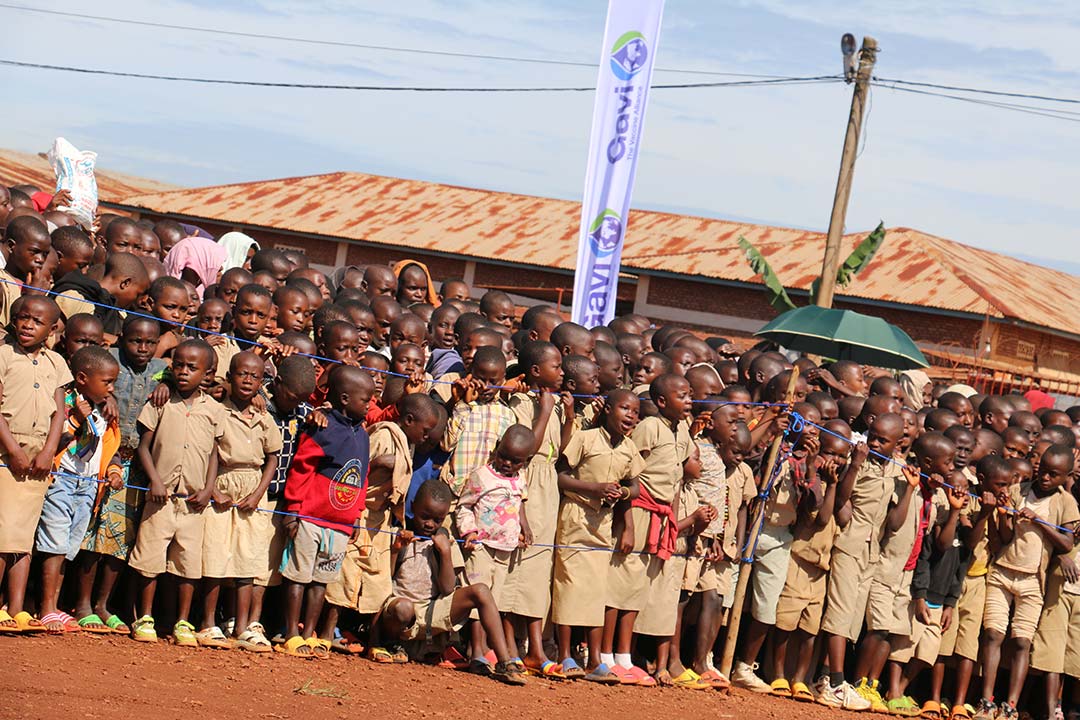
School children await the HPV vaccine rollout in Gitega, Burundi. Credit: Moses Havyarimana
Burundi has now integrated the HPV vaccine into its routine immunisation programme, with 84.4% of eligible girls reached in the introductory campaign.
Announcements
IFFIm impact: HPV
IFFIm is helping fight cervical cancer by providing $165 million toward Gavi’s HPV vaccine – 20 percent of the expenditures for the programme.
At a glance
- On April 29, Burundi marked the nationwide launch of the cervical cancer blocking human papillomavirus (HPV) vaccine.
- Cervical cancer is the biggest cancer killer in Burundi, despite the fact that it’s close to completely preventable. Getting that information out into the public was a mission for health workers across the country in the lead-up to the first roll-out.
- Despite spreading misinformation, that effort has paid off, with a reported 84.4% of the target population receiving the vaccine during the three-day campaign, according to Ministry sources.
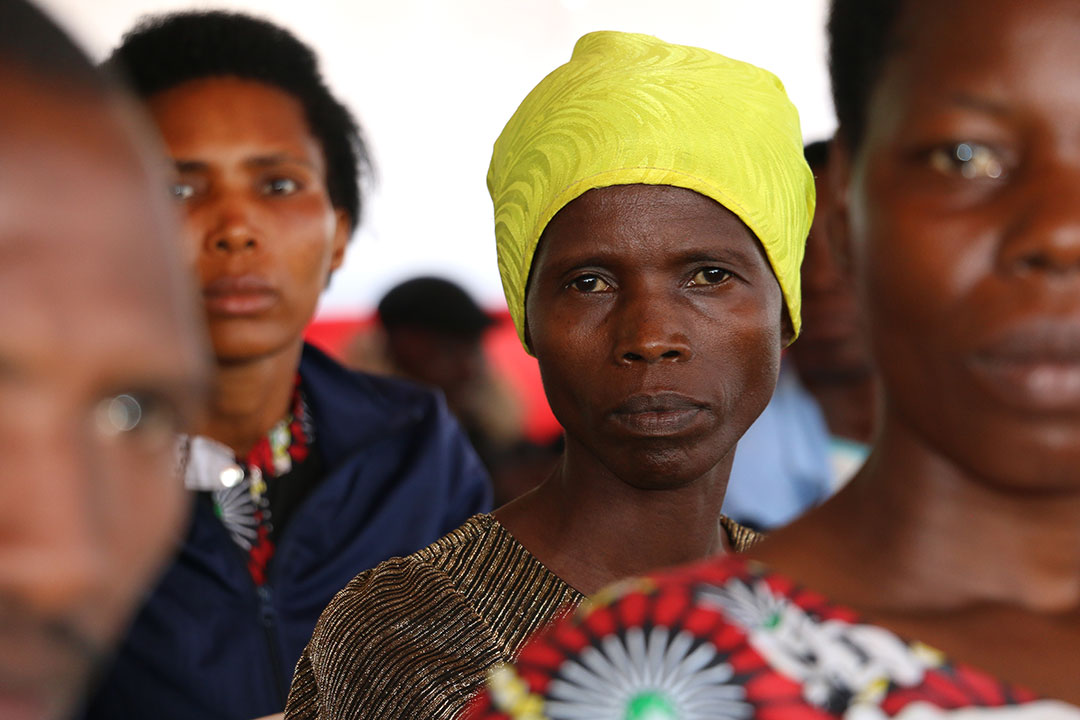
Emelyne Ngiriyabandi (46) from Kibimba village in Gitega had never heard of cervical cancer until health workers came to speak to her at her home in early April.
“When they told us about the signs and symptoms, my heart sunk because I do believe many of our neighbours died of this disease without knowing,” Ngiriyabandi said.
Credit: Moses Havyarimana
Burundi was weeks away from the first national roll-out of the human papillomavirus (HPV) vaccine, a one-dose, lifetime shield against the cancer, and a major push to raise awareness of the disease and its prevention was underway. But it’s poorly understood by the general public, and with screening rates for the disease hovering at below 10%, diagnoses often land late.
Cervical cancer is both the most common and the deadliest cancer in the country. The World Health Organization (WHO) says more than 1,000 die of the disease annually, accounting for about 18.8% of Burundi’s total cancer deaths.
Fortunately for Ngiriyabandi’s two adolescent daughters, the risk looks set to drop precipitously. On a Wednesday in late April, she was at her daughters’ school during the vaccine’s national launch.
Credit: Moses Havyarimana
“I came to witness my girls getting vaccinated,” she told VaccinesWork. “Despite not having known this disease two weeks ago, I managed to sit and talk to my girls about the benefits because I trust our leaders who told us it is safe.”
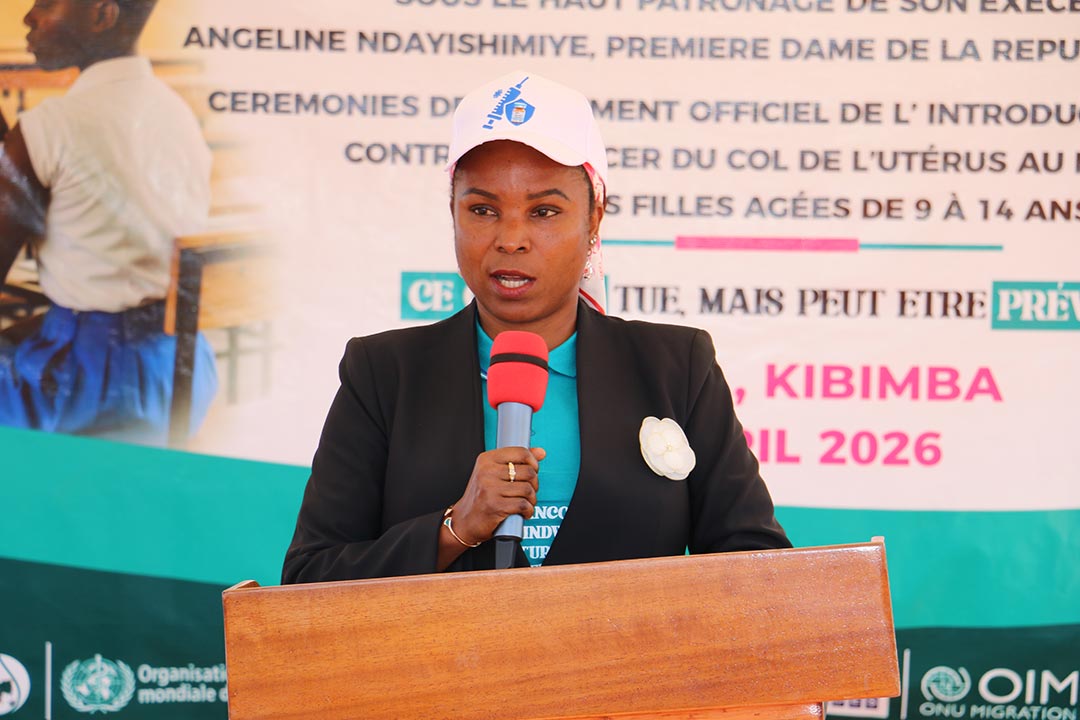
One of those leaders was First Lady Angeline Ndayishmiye, who spoke at the event and urged parents to treat the misinformation about the HPV vaccine “with contempt”.
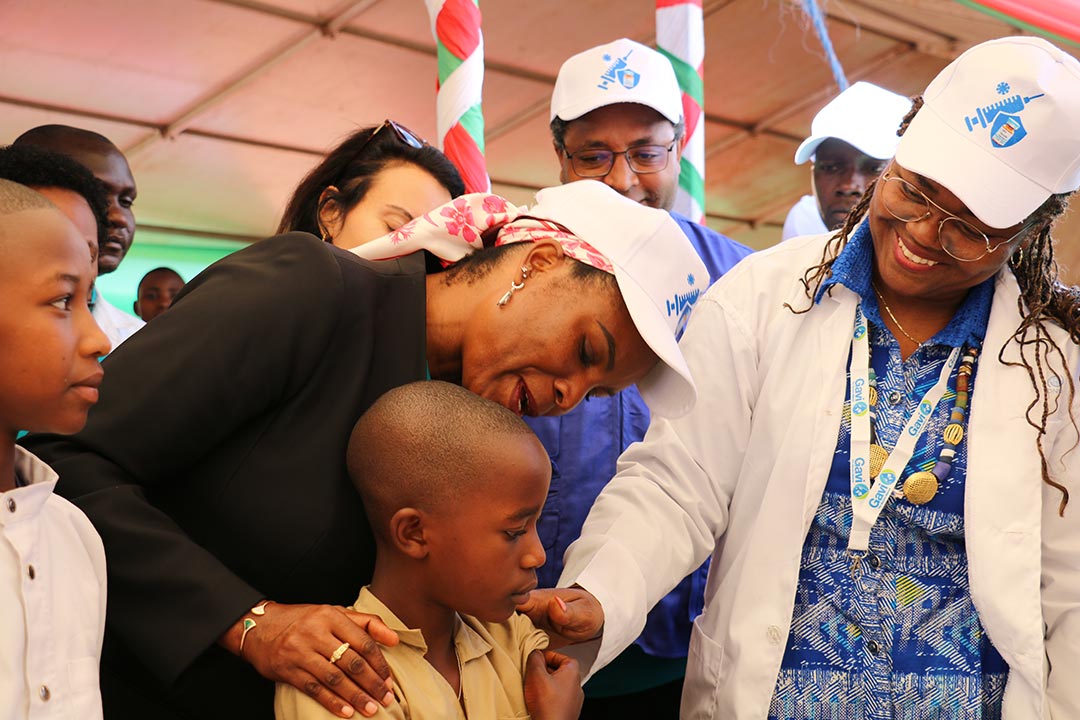
Dr Marthe Sylvie Essengue Elouma, Director of Priority Countries at Gavi, said during the HPV vaccine introduction that studies have shown an 87% reduction in the risk of cervical cancer in women following vaccination.
Credit: Moses Havyarimana
In May, 2023 the WHO said that a study by International Agency for Research on Cancer (IARC), showed that vaccination against HPV has more than halved the prevalence of high-risk HPV types in Rwanda in less than eight years, a substantial overall reduction of 52% in the prevalence of four high-risk vaccine-targeted HPV types (HPV6, 11, 16, and 18).
Still, Ngiriyabandi said that some parents hide their children at home to avoid vaccination: “In most cases it is because of the misinformation and lack of awareness.” She specified that a number of parents are operating under the mistaken impression that the HPV vaccine can cause infertility.
Combatting misinformation
Though the evidence from the pilot and from the many other countries with established HPV vaccination programmes definitively contradicts those rumours, misinformation about the HPV vaccine persists in pockets of the country.
A health ministry report disclosed that during the three-day campaign, 80 students from one primary school “fled under the influence of certain religious beliefs”.
Dr Polycarpe Ndayikeza, the spokesperson for the Burundian health ministry, said the government, through local administrative authorities and community leaders, is pushing back misinformation and raising awareness of the HPV vaccine among the population.
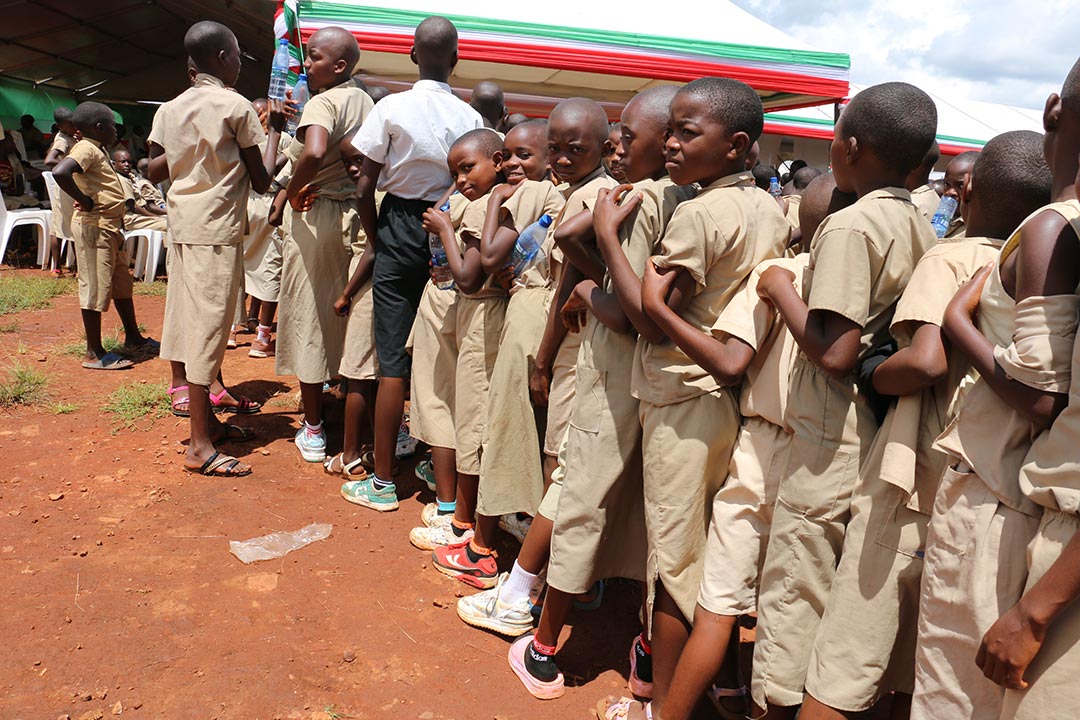
Credit: Moses Havyarimana
“We made direct outreach programmes in schools and communities to reassure people about the safety of the vaccine. At this stage we haven’t started using chatbots, but we are considering digital strategies including the use of WhatsApp or SMS,” said Dr Ndayikeza.
But health workers like Inarukundo Anitha and school teachers like Sibomana Maria Goreth said that still more work needs to be done to fight misinformation in the community if all girls are to have an equal shot at cervical cancer-free future.
The view from the vanguard
Lyse Raïssa Dukeze, now a 23-year-old mother of one, has seen a glimpse of that future.
She was 14 years old in 2018, when Burundi conducted a pilot HPV vaccination project in Ngozi and Rumonge provinces. She was one of a vanguard group of 12,000 Burundian girls to be immunised.
“Before I received the vaccine, my aunt had died of cervical cancer,” Dukeze said. “I witnessed her suffering and it is because of that I decided to get vaccinated.”
It’s a decision she’s glad she made. “During that period there was a lot of misinformation – they said that if vaccinated, you will never give birth. But I was vaccinated, and today I have a child,” said Dukeze.
“I feel safe now”
According to Ministry officials, 84.4% of the target population were vaccinated during the April–May launch campaign, proving that for hundreds of thousands of Burundian girls, the opportunity to get protected was one to jump at.
Giraneza Darlene, a 13-year-old student at Kibimba Primary School was among those who received the vaccine. “They told us about the disease and we felt like it was the right time we got vaccinated. I feel safe now and I had no hesitation in taking the jab,” she said.
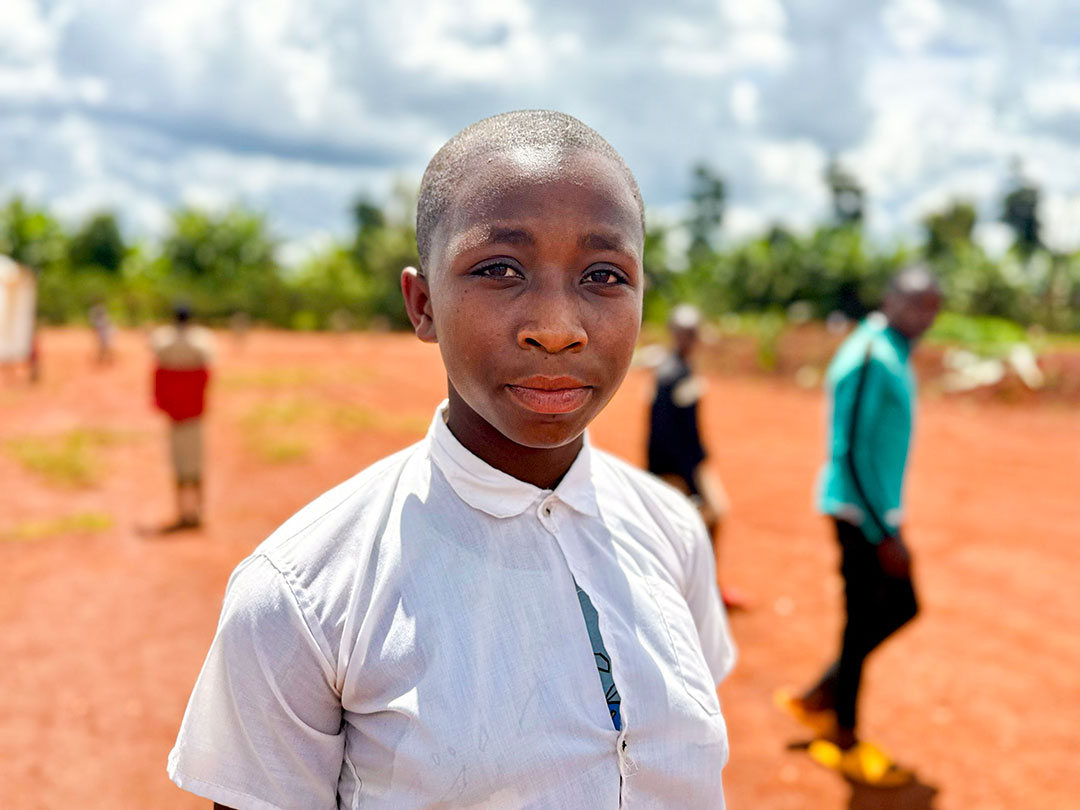
Credit: Moses Havyarimana
The Burundi government reported that the campaign’s conclusion marks the HPV vaccines’ introduction into the country’s routine immunisation schedule. It will continue to be available to girls aged between 9–14 in all vaccination centres nationwide, free of charge.
Gavi’s Elouma noted that the development marks a step towards a shared global resolution to vaccinate 90% of girls before the age of 15, screen 70% of women, and treat 90% of those diagnosed before 2030.
 | This article is republished from VaccinesWork under a Creative Commons license. Read the original article. VaccinesWork is an award-winning digital platform hosted by Gavi, the Vaccine Alliance covering news, features and explainers from every corner of global health and immunisation. |
Share this article
Restricted Access Library
 The material in this Restricted Access Library is intended to be accessed only by persons with residence within the territory of a Member State of the European Union and is not intended to be viewed by any other persons. The material in this Restricted Access Library is provided by IFFIm for information purposes only and the materials contained herein were accurate only as of their respective dates. Certain information in the materials contained herein is not intended to be, and is not, current. IFFIm accepts no obligation to update any material contained herein.
Persons with residence outside the territory of a Member State of the European Union who have access to or consult any materials posted in this Restricted Access Library should refrain from any action in respect of the securities referred to in such materials and are otherwise required to comply with all applicable laws and regulations in their country of residence.
By clicking Access restricted content: DYNAMIC-LINK-TEXT I confirm that I have read and understood the foregoing and agree that I will be bound by the restrictions and conditions set forth on this page.
The materials in this Restricted Access Library are for distribution only to persons who are not a "retail client" within the meaning of section 761G of the Corporations Act 2001 of Australia and are also sophisticated investors, professional investors or other investors in respect of whom disclosure is not required under Part 6D.2 of the Corporations Act 2001 of Australia and, in all cases, in such circumstances as may be permitted by applicable law in any jurisdiction in which an investor may be located.
The materials in this Restricted Access Library and any documents linked from it are not for access or distribution in any jurisdiction where such access or distribution would be illegal. All of the securities referred to in this Restricted Access Library and in the linked documents have been sold and delivered. The information contained herein and therein does not constitute an offer for sale in the United States or in any other country. The securities described herein and therein have not been, and will not be, registered under the U.S. Securities Act of 1933, as amended (the "Securities Act"), and may not be offered or sold in the United States except pursuant to an exemption from, or in a transaction not subject to, the registration requirements of the Securities Act and in compliance with any applicable state securities laws.
Each person accessing the Restricted Access Library confirms that they are a person who is entitled to do so under all applicable laws, regulations and directives in all applicable jurisdictions. Neither IFFIm nor any of their directors, employees, agents or advisers accepts any liability whatsoever for any loss (including, without limitation, any liability arising from any fault or negligence on the part of IFFIm or its respective directors, employees, agents or advisers) arising from access to Restricted Access Library by any person not entitled to do so.